The UK Clinical Cohorts (UK CliC) Trusted Research Environment (TRE) is a secure system that helps researchers answer important questions about heart and circulatory diseases. It brings together information from long-term health studies and NHS records, so scientists can learn more about how these conditions develop, how they can be prevented, and how care can be improved for everyone.
If you’re involved with one of the participating UK CliC cohorts, please read our Participant Notification Sheet.
Why does the UK CliC TRE matter?
Every year, millions of people in the UK are affected by heart attacks, strokes, and other circulatory problems. Researchers know a lot already, but there are still important gaps in our knowledge.
For example:
- Why do some people respond better than others to certain treatments?
- How do lifestyle factors like diet, exercise, and stress affect heart health over time?
- Can we spot early warning signs that predict who might be at risk?
By safely combining different sources of health data, the UK CliC TRE gives researchers the tools they need to find answers.
How are people’s data kept safe?
Protecting privacy is at the heart of the UK CliC TRE.
- Personal details are never shared – researchers do not see names, addresses, or anything that could directly identify you.
- All research is carried out in a highly secure system run by Swansea University’s SAIL Databank, which is independently accredited.
- Before any results leave the UK CliC TRE, they are carefully checked to ensure that no individual can be identified.
- The system follows the internationally recognised Five Safes Framework: safe people, safe projects, safe settings, safe data, and safe outputs.
Who decides what research is allowed?
Not all projects are approved. Every application must show a clear public benefit and is reviewed by an independent panel called the Information Governance Review Panel (IGRP). Importantly, this panel includes members of the public as well as experts, so the public voice is always part of the decision-making.
What does this mean for you?
Thanks to the generosity of people who join health studies, researchers can make discoveries that improve lives, like:
- Identifying who is most at risk of heart disease earlier, so they can get support sooner.
- Testing which treatments work best for different groups of people.
- Helping the NHS plan services more effectively, based on real-world data.
Your data is never sold, and it is only ever used for research in the public interest.
Learn more

Whole Population Data
We aim to improve access to and use of high-quality, linked health datasets covering entire populations across the UK.

Defining Disease
To drive large-scale, data-driven research, we’re working to develop and share reusable definitions of cardiovascular diseases in computable forms. These definitions enable researchers to interpret and use health data, leading to more accurate and reproducible studies.
Data Enabled Clinical Trials
By integrating routinely collected NHS health data into clinical trials, we’re helping researchers recruit participants more effectively, reduce administrative burdens, and generate real-world evidence that can lead to quicker, more impactful advances in cardiovascular care.

Imaging
Cardiovascular imaging research has the potential to transform disease diagnosis, risk assessment, and treatment. This area aims to improve access to imaging data linked to health-relevant datasets across the UK, enabling innovative research and improving patient outcomes.

Smartphones and Wearables
We’re working to unlock the potential of smartphone and wearable data to discover new ways to prevent, diagnose, and treat cardiovascular disease, by establishing secure access to and fair use of smartphone and wearable data linked to healthcare records.
CVD-COVID-UK / COVID-IMPACT
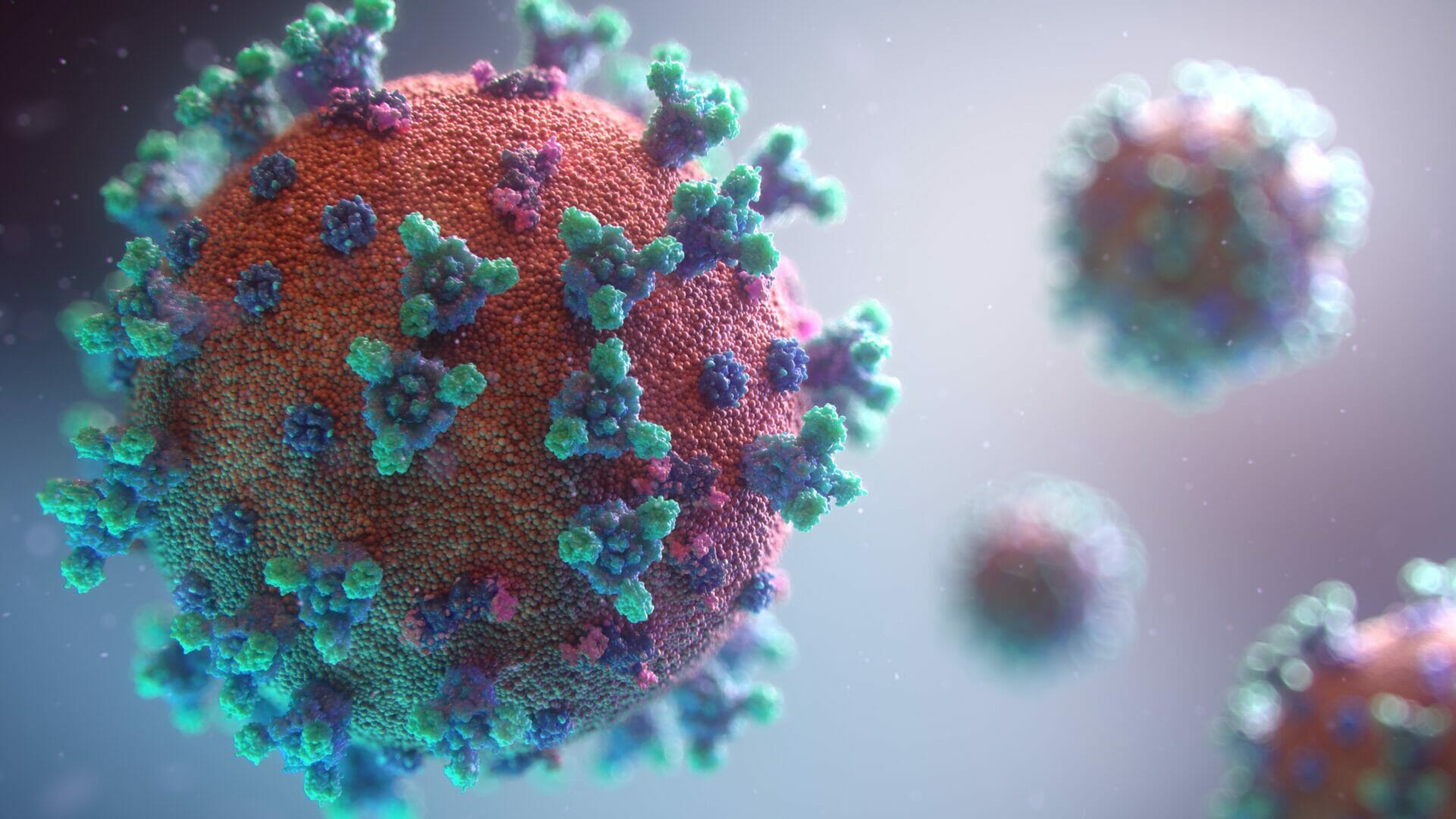
CVD-COVID-UK/COVID-IMPACT is a major research programme coordinated by the BHF Data Science Centre, bringing together a consortium of over 400 researchers across more than 50 organisations. The programme enables analysis of anonymised, linked, nationally collated healthcare datasets across the UK to investigate the relationship between COVID-19 and cardiovascular disease, as well as its impact on other health conditions and risk factors.
Diabetes Data Science Catalyst
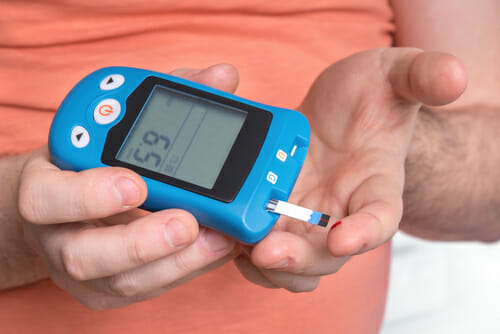
This exciting partnership between the BHF Data Science Centre, Diabetes UK and HDR UK aims to develop improvements in our understanding of the link between cardiovascular diseases and diabetes.

Stroke Data Science Catalyst
A partnership between the BHF Data Science Centre, the Stroke Association, and HDR UK, using data to drive research into stroke prevention, treatments, and care.

Kidney Data Science Catalyst
This partnership between the BHF Data Science Centre, Kidney Research UK and HDR UK will enable researchers to securely access, link and analyse existing UK health data, speeding up the search for better kidney and cardiovascular disease prevention, treatments, and care.